The rising popularity of disposable vapes has left many users wondering, "can disposable vapes be recharged?" Although these devices are designed for single use, some may attempt to recharge them. This action, however, comes with significant risks. Understanding the process and its potential dangers is crucial.
Recharging a disposable vape can lead to overheating or, in extreme cases, fire hazards. Most disposable vapes do not support recharging and lack safety features. Users should be aware that attempts to recharge could cause serious malfunctions. The materials used in many of these devices can degrade over time, which may result in unknown dangers while recharging.
As vaping trends evolve, so do the products in the market. Some users successfully find ways to recharge select devices safely. But knowing which brands are compatible is essential. Not all disposable vapes are created equal. Therefore, it’s important to weigh the risks and benefits carefully before attempting to recharge.
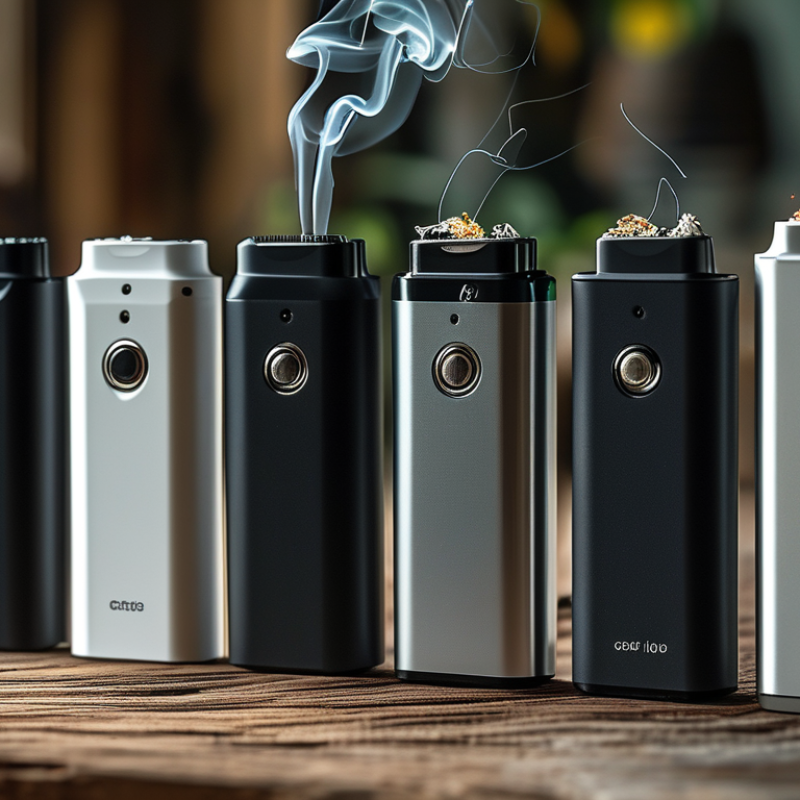
Disposable vapes have gained immense popularity in recent years. According to industry reports, the global disposable vape market is expected to reach $12.41 billion by 2025. Many users appreciate their convenience and portability. However, safety concerns regarding their usage persist, especially with rechargeable options.
Rechargeable disposable vapes provide a sustainable alternative. Users can save money while reducing waste. These devices are equipped with lithium-ion batteries, which can be recharged several times. Industry data suggests that using rechargeable options can decrease the average cost per puff by nearly 30%. Despite these benefits, there are risks. For instance, improper charging can lead to battery malfunctions or overheating. This highlights the need for users to follow safety guidelines during the charging process.
Understanding how to recharge these devices is crucial. It's essential to use a compatible charger and avoid overcharging. Many users might neglect this important detail. Overheating can cause damage to the battery and the device itself. Moreover, keeping vapes away from extreme temperatures improves longevity. Simple steps can significantly enhance user safety and device performance.
| Feature | Standard Disposable Vape | Rechargeable Disposable Vape |
|---|---|---|
| Battery Life | Not rechargeable, limited to initial charge | Rechargeable, can be used multiple times |
| Recharging Method | N/A | USB charging port, easy to recharge |
| Cost | Generally cheaper | Higher initial cost but cost-effective in the long run |
| Environmental Impact | Contributes to waste | Less environmental impact with fewer disposals |
| Portability | Highly portable, single-use | Portable, but carries a charging device |
Recharging disposable vapes requires caution. Several studies highlight the risks involved when mishandling these devices. In a recent survey, nearly 30% of vapers reported charging issues that led to device failures or safety hazards. This raises significant concerns about safe practices when recharging.
Before you begin, ensure you are using the correct type of charger. Mismatched chargers can lead to overheating and battery damage. Always inspect your device for signs of wear. Look for frayed wires or damage to the charging port. These factors can increase the risk of malfunction during the charging process.
Consider the environment where you recharge. Do not leave devices unattended while they charge. Charging on flammable surfaces can be dangerous. A well-ventilated area is essential to avoid heat build-up. It’s also advisable not to overload power strips, as this can lead to electrical failures. Following these precautions can reduce risks significantly and ensure a safer recharging experience.
When charging disposable vapes, safety comes first. Start by inspecting the device. Look for any damage or leaks. A damaged vape might cause short circuits. Ensure the charging port is clean. Dust and debris can interfere with the charging process. Use a suitable charger with the correct output. An incompatible charger can lead to overheating.
Connect the vape to the charger carefully. Avoid forcing the connection. Charging should be a smooth process. Monitor the charging time. It's easy to lose track of time, but overcharging can harm the vape. Many may consider charging overnight, but this could lead to risks.
Once charged, disconnect the vape promptly. Don’t leave it connected for too long. Be cautious of how the device feels after charging. If it's warm to the touch, allow it to cool down before using it. Keeping electronics in good shape requires constant attention. Regular charging habits can lead to unintended hazards. Reflect on your charging methods and always prioritize safety.
Recharging disposable vapes is a common practice, but it's crucial to do it safely. Many users overlook the importance of using the correct charger. A weak or incompatible charger can lead to overheating or damage. According to a report by the National Fire Protection Association, faulty chargers are a leading cause of battery-related fires.
One common mistake is recharging vapes overnight. This can cause overcharging, leading to battery failure. Always monitor your device while it's charging. A good rule is to unplug it once it reaches full capacity, usually around 3 to 4 hours.
Tips: Consider using a timer for your charging sessions. This can help prevent overcharging. Additionally, check your vape for any signs of damage before recharging. If it shows any swelling or tears, do not use it. These precautions can extend the life of your vape and enhance safety.
Careful attention to your charging habits can prevent accidents. Many users still underestimate the risks involved. Awareness of these pitfalls is the first step toward safe usage. Always prioritize safety when handling electronics.
When using disposable vapes, recognizing when to replace them is crucial. Some signs indicate a refill or recharge is not the solution. A burnt taste is the most obvious one. This taste can be unpleasant and signals that the coil has burned out. Another sign is a significant drop in vapor production. If the device is producing minimal vapor, it might be time to let it go. The device may also blink or not turn on at all; both are clear indicators that it needs to be replaced.
Tips for identifying when to replace your vape include checking for leaks. If you notice e-liquid leaking from the device, it's likely damaged. Also, pay attention to your frequency of usage. Regular consumers may find that their vapes deplete faster and require replacement sooner. Keeping track of how much you're using is essential for knowing when to buy a new one.
Poor battery performance is another red flag. If the vape can't hold a charge or depletes quickly, it may have reached the end of its life cycle. Inconsistent performance, such as uneven heating or changing flavors, also suggests it’s time for a change. Using a disposable vape should not lead to frustration over these issues. Knowing when to replace can enhance your overall experience.
: Inspect your device for any damage or signs of wear, including frayed wires and a clean charging port.
No, always use the correct type of charger to avoid overheating and battery damage.
Charge in a well-ventilated area, away from flammable surfaces, and never leave it unattended.
It's risky. Overcharging can harm the device. Monitor the charging time closely.
Allow it to cool down before using. A warm device may indicate potential issues.
Overloading can cause electrical failures, increasing the risk of safety hazards during charging.
The article titled "How to Recharge Disposable Vapes Safely and Effectively?" explores the concept of disposable vapes, specifically addressing whether they can be recharged. It delves into the various rechargeable options available and outlines critical safety precautions to consider prior to charging. The guide is structured to help users navigate the recharging process step-by-step, ensuring safety and effectiveness.
Additionally, the article highlights common mistakes individuals make while attempting to recharge disposable vapes, emphasizing the importance of awareness to minimize risks. It also provides insights into identifying signs that indicate a disposable vape should be replaced instead of recharged. Overall, the content serves as a comprehensive resource for those seeking to responsibly extend the life of their disposable vapes while maintaining safety.

Flow Vape