Explore our highly integrated industrial components, consumer hardware solutions, and customized modular pods engineered for absolute reliability.

The global electronic nicotine delivery systems (ENDS) market has completed its transition from a localized, semi-manual assembly industry into a highly automated, pharmaceutical-grade manufacturing domain. Today, brand survival is dictated by regulatory compliance, chemical stability, and filling precision. As governments throughout Europe, North America, and the Asia-Pacific implement rigorous testing frameworks, the process of vape liquid bottling is no longer just a packing phase; it is the critical point where product efficacy, chemical safety, and international trade compliance intersect.
Historically, early-generation vape liquid bottling suffered from high tolerance deviations, exposing formulas to oxygenation, microbial contamination, and inaccurate nicotine distribution. With the enforcement of the European Union's Tobacco Products Directive (TPD Article 20) and the US FDA's PMTA requirements, manufacturers must enforce strict compliance protocols. Advanced factories rely on high-precision peristaltic filling pumps, nitrogen-blanketing tunnels, and positive-pressure cleanrooms to protect complex flavoring compounds and organic nicotine salts from deteriorating during packaging.
To serve the top tier of international distributors, a modern manufacturer must secure formal CE certification for the entire machinery layout, ensuring that mechanical, electrical, and process control systems meet Europe's safety, health, and environmental standards. For global vape brands, sourcing from a CE-certified vape liquid bottling factory is a vital step toward reducing customs risks and establishing long-term credibility in international retail markets.
The international commercial landscape for e-liquids is divided into two major tracks: open-system premium e-liquids and high-speed filling for closed pod systems or pre-filled disposable devices. While retail consumer trends fluctuate between sweet, dessert, and pure menthol profiles, the industrial demand for production safety and reliability remains constant. Distributors face strict customs audits and must provide documented proof of compliance, including Material Safety Data Sheets (MSDS), RoHS limits, and CE validation for all electronic hardware.
Furthermore, commercial buyers require manufacturers to prove their resilience to raw material variations. A minor change in the purity of Vegetable Glycerin (VG) or Propylene Glycol (PG) can alter viscosity, leading to leakage or mechanical failure during high-speed bottling. Because of these challenges, professional manufacturers are adopting smart inline viscosity sensors, thermal monitoring, and automated torque cappers to ensure every bottle or pre-filled pod leaves the facility completely sealed and standardized.
Complete traceability systems tracking raw nicotine batches, PG/VG extraction profiles, and packaging material certifications to guarantee flawless TPD and PMTA documentation.
Zero-contact automated lines with mechanical arm placement, optical level validation, and precision ultrasonic sealing to maintain sterile conditions.
Optimized logistics paths utilizing international hubs. Designed to handle large order volumes while keeping shipping transit times and operational costs minimal.
Corporate buyers face complex operational decisions when sourcing vape liquid manufacturing partners. These purchase managers, supply chain directors, and product developers deal with strict quality mandates, regulatory hurdles, and unpredictable consumer markets. A breakdown of these primary sourcing challenges shows why finding a highly certified manufacturer is essential:
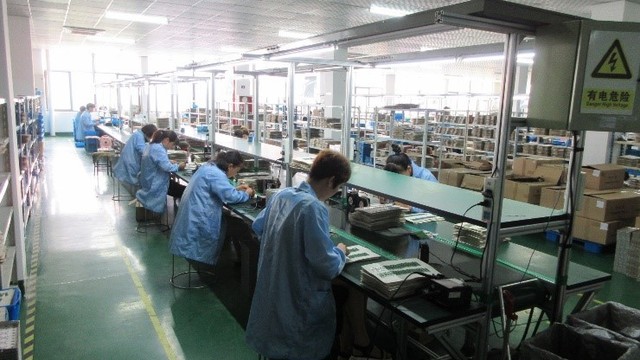
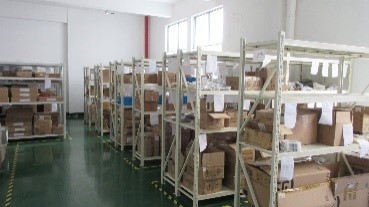
Liquid formulas containing freebase nicotine or nicotine salts are sensitive to light and heat, and oxidise rapidly when exposed to oxygen. If a bottling facility fails to use protective processes like nitrogen purging, the e-liquid's color will darken, and the taste profile will degrade before the product reaches retail shelves. Global brands require facilities equipped with nitrogen-blanketed storage tanks and isolated filling chambers to lock in flavor consistency.
Different countries enforce distinct safety measures, child-resistant cap rules, and emissions reporting limits. Sourcing from non-certified facilities can lead to border seizures, retail recalls, or costly legal penalties. Enterprise procurement teams need partners that run full analytical labs equipped with gas chromatography-mass spectrometry (GC-MS) machines to supply verified chemical profiles and compliance certificates for global import markets.
When a viral flavor trend takes off in Europe or South America, brands need to restock rapidly. If a bottling partner lacks automated production capabilities, lead times can stretch to months, resulting in missed sales. Partnering with a Manufacturer that utilizes high-speed bottling lines reduces the production cycle to a few days, giving brands a distinct market advantage.
Technological advancements are rapidly redefining the standards of the vape manufacturing space. As the industry matures, three key trends have emerged as essential criteria for forward-thinking brands:
Modern bottling systems use IoT sensors to track fill volumes down to the micro-milligram in real time. Advanced data collection systems flag potential leaks, inconsistent bottle feeds, or capping pressure anomalies instantly, preventing production faults before they escalate.
By using precision optical sensors and weight validation modules directly after the sealing process, manufacturers can detect micro-leaks. This prevents compromised inventory from reaching international shipping routes, maintaining high product standards.
With environmental regulations tightening globally, bottling lines are adjusting to work with eco-friendly, biodegradable, and recycled plastic housings. These processes require adapted thermal sealing setups to ensure secure packaging without damaging recycled structures.
At the center of global hardware manufacturing sits Shenzhen, China's electronic innovation capital. Shenzhen Flow Vape Co., Ltd. operates at the forefront of this industrial hub as a professional, vertically integrated manufacturer of disposable vapes, open and closed pod systems, and customizable OEM/ODM hardware solutions. By combining localized component supply networks with Industry 4.0 automation, Flow Vape offers brands unparalleled supply chain resilience and cost efficiency.
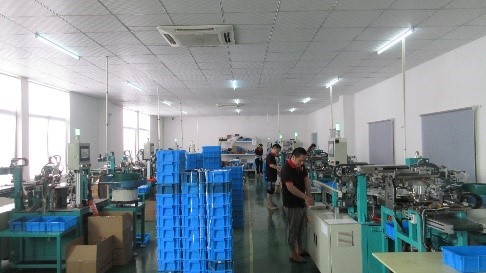

The company's advanced production facility utilizes modern automated lines and rigorous quality control testing at every stage. From incoming material inspections (IQC) to automated sealing, pressure-drop testing, and final packaging, Shenzhen Flow Vape ensures reliable performance and strict compliance with international standards. Operating comprehensive OEM and ODM services, the company provides end-to-end design, branding, packaging customization, and private-label manufacturing to help brands stand out in highly competitive global markets.
Shenzhen Flow Vape's active R&D team continuously tests new heating materials, coil styles, and leak-proof structures. By keeping manufacturing and technical engineering in one centralized location, Flow Vape can adapt rapidly to changing market demands, helping global distributors and wholesalers launch new product lines with minimal delays.
Because e-liquids and vape hardware serve diverse consumer markets, production lines must adapt to different packaging and formulation requirements. Here is how specialized manufacturing lines support various product formats:
For high-volume disposable vape production, filling systems are directly integrated with automated cotton saturation and ultrasonic chamber sealing lines. This maintains high output rates while ensuring consistent puff delivery and leak resistance.
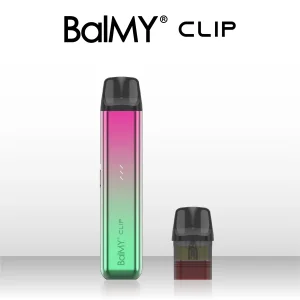
Closed pod devices demand extremely tight tolerances to prevent e-liquid from seeping into internal air channels. Dedicated cleanroom micro-dosing systems fill individual pods, applying automated silicone cap seals and secondary leak-checks instantly.
Designed for traditional e-liquid bottles (10ml to 120ml), these high-capacity lines manage bottle feeding, precision liquid filling under nitrogen, child-resistant cap application, and shrink-wrapped labeling on a single continuous track.
Get answers to the most common questions regarding CE certification, cleanroom protocols, automated filling systems, and OEM/ODM capabilities.
CE certification confirms that all machinery used in the bottling line meets critical European health, safety, and environmental standards. It ensures the electrical systems are safe, the pneumatic machinery is guarded, and all materials coming into contact with the e-liquid are food-grade and chemically inert, minimizing contamination risks.
High-end automated lines use nitrogen blanketing, which displaces oxygen in both the storage vessels and individual bottles during filling. Keeping oxygen levels minimal prevents nicotine oxidation, maintaining flavor consistency and color clarity throughout the product's shelf life.
Shenzhen Flow Vape uses a multi-tier quality control approach. This includes raw material inspection (IQC), in-process assembly checks (IPQC), leak and draw resistance testing, and final quality audits (OQC). Every production run undergoes verification to ensure conformity with international distribution requirements.
An ISO Class 8 cleanroom limits airborne particles using HEPA filtration and controlled air pressure differentials. This sterile environment protects the e-liquid from dust, micro-particles, and biological contaminants during mixing and filling, ensuring absolute product purity.
Yes. Through complete OEM/ODM services, Shenzhen Flow Vape offers custom liquid formulation, hardware design, and brand packaging development. The R&D team works closely with clients to create unique flavor profiles and device configurations tailored to specific target markets.
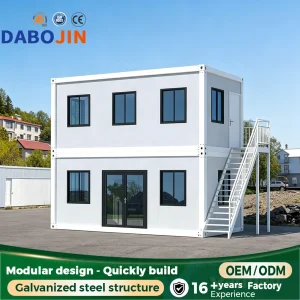
Explore our specialized acoustic cabins, mobile workspaces, clean energy modules, and next-generation smart micro-housing structures.


 Flow Vape