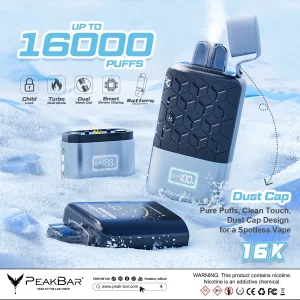
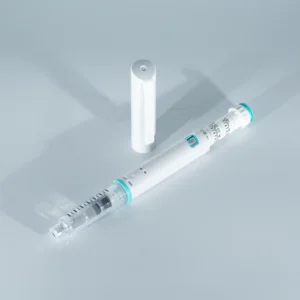
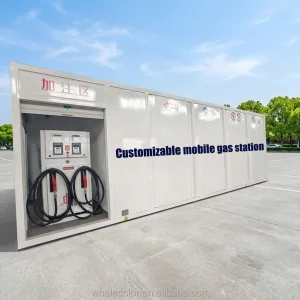
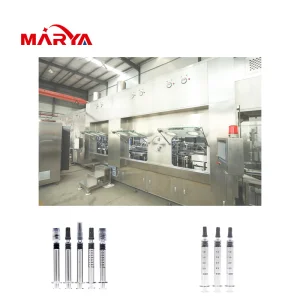
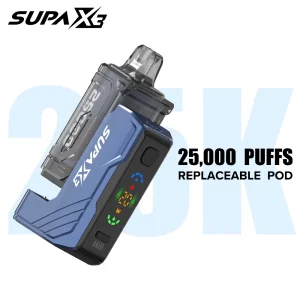
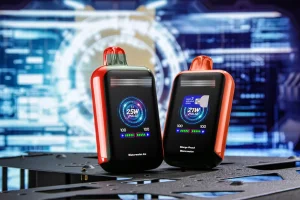
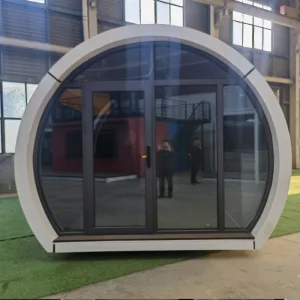
Explore our state-of-the-art technological hardware, automated filling devices, and open-system hardware configurations.
Analyzing market demand, supply chain concentration, and the structural shift toward open-system vaping architectures.
The global vapor industry is undergoing a massive paradigm shift. As environmental concerns surrounding single-use plastics and lithium-ion batteries prompt stricter government mandates, consumers and distributors alike are shifting focus toward refillable vape tanks and open pod systems. From an industrial perspective, refillable tanks represent the perfect equilibrium between user convenience, economic efficiency, and sustainability.
According to recent market intelligence reports, the global open-system hardware market is projected to reach USD 18.5 Billion by 2028, driven primarily by demand in Europe, North America, and Southeast Asia. The European Union's Tobacco Products Directive (TPD) and the US FDA's Premarket Tobacco Product Application (PMTA) pathways have pushed brands to build highly reliable, leakproof, and child-resistant refillable hardware.
China remains the undisputed manufacturing powerhouse of this industry, with Shenzhen producing over 90% of the world's vaping hardware. The concentration of advanced chip design, precision tooling, cleanroom automation, and material science research in Shenzhen enables factories to iterate designs and scale production rapidly.
1. Reduced Carbon Footprint: Multiple fills per lifecycle mean lower disposal rates of heavy metals.
2. Cost Efficiency for End Users: Refillable tanks lower the daily cost of consumption compared to disposable vapes.
3. E-Liquid Customization: Supports a wider variety of PG/VG ratios, flavor profiles, and nicotine salt strengths.
Global Market Supply from Shenzhen
Class Cleanroom Manufacturing
TPD & PMTA Compliance Path
Fills Per Coil Lifespan
Introducing the production capabilities, engineering standards, and values of Shenzhen Flow Vape Co., Ltd.
Shenzhen Flow Vape Co., Ltd. is a professional China disposable vape and pod system manufacturer specializing in the research, development, production, and global supply of innovative vaping products. As an experienced OEM & ODM vape device supplier, the company is dedicated to delivering high-quality, customized solutions for international brands, distributors, wholesalers, and retailers.
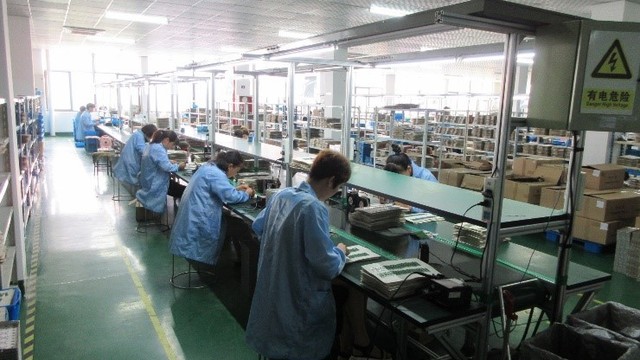
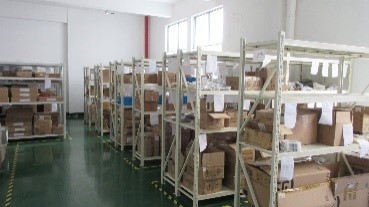
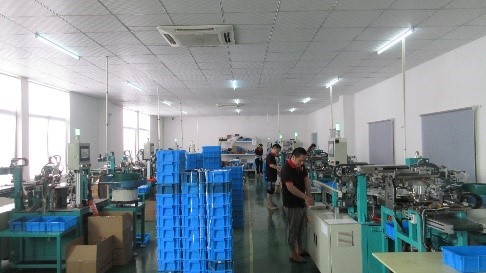
Headquartered in Shenzhen, the global center of electronic innovation, Shenzhen Flow Vape Co., Ltd. operates advanced manufacturing facilities equipped with modern automated production lines and rigorous quality control systems. The company's extensive product portfolio includes disposable vapes, pod systems, rechargeable vape devices, closed pod systems, and customized electronic cigarette solutions designed to meet diverse market requirements.
Innovation is at the heart of the company's growth. Supported by a skilled R&D team, Shenzhen Flow Vape Co., Ltd. continuously develops new technologies, enhances product performance, and introduces stylish, user-friendly designs to satisfy the rapidly evolving vaping industry. The company also provides comprehensive OEM and ODM services, including product design, branding, packaging customization, and private label solutions.
Quality and safety are fundamental to every stage of production. From raw material procurement and component inspection to assembly, testing, and final packaging, strict quality management procedures are implemented to ensure reliable product performance and compliance with international standards. This commitment enables the company to consistently supply premium vaping products to customers worldwide.

Deciphering the material sciences, micro-electronics, and fluid dynamics behind modern tank platforms.
Conventional wire coils are rapidly giving way to etched mesh heating grids. Made from FeCrAl (Kanthal), Nichrome, or Medical-Grade SS316L, mesh profiles increase the surface contact area by up to 200%. This translates to instant vaporization, elimination of hot spots, and cleaner extraction of flavor notes.
Condensation management is key to user satisfaction. Our factories utilize multi-chamber condensation traps and precision-molded food-grade silicone seals. Airflow channels are engineered using CFD (Computational Fluid Dynamics) to isolate pressure differentials, preventing spit-back and leakage.
To replace petrochemical plastics, current R&D focuses on food-grade PCTG (Polycyclohexylenedimethylene Carboxylate Glycol-modified) and high-borosilicate glass. These materials withstand structural degradation from highly acidic citrus and mint e-liquids, ensuring no chemical leaching.
How distinct international markets integrate refillable systems into customized consumer environments.
In the EU, refillable vape tanks must strict align with a maximum 2ml capacity and feature child-resistant, leak-proof refilling mechanisms. The localized market prefers MTL (Mouth-to-Lung) hardware configurations with low wattage ratings (10-15W) to complement high-nicotine strength nic-salts common in Western and Northern Europe.
The US market demands high versatility. Users toggle between Sub-Ohm DTL (Direct-to-Lung) large tanks and ultra-portable refillable pods. In addition, the North American landscape demands robust compliance paths, requiring manufacturers to produce highly auditable batch tracing, manufacturing DMFs (Drug Master Files), and tamper-evident designs.
In rapidly developing economies, affordability per milliliter is the paramount factor. Low-maintenance refillable pod cartridges with replaceable coil heads are favored. These components allow users to keep the plastic housing and only replace the heating core, dramatically minimizing the total cost of ownership.
End-to-end industrial solutions, from automated filling assembly setups to supply chain optimization.
As a leading manufacturing cluster, we don't just supply vape tanks; we engineer full-scale industrial ecosystems. For B2B clients, we offer holistic product development cycles: from Design for Manufacturability (DFM) audits, automated liquid-filling compatibility analysis, up to custom compliance packaging.
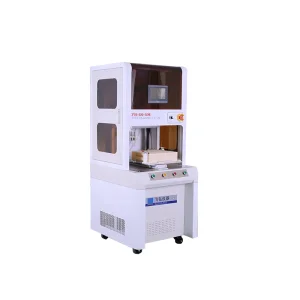
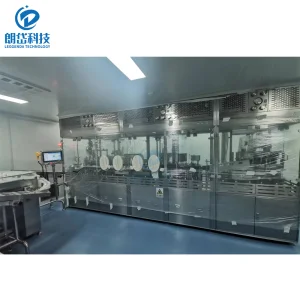
Our engineering division works alongside oil-filling machinery developers to ensure that the physical inlet ports of our refillable tanks fit seamlessly into high-throughput automatic filling lines, cutting rejection rates to below 0.05% during mass factory fills.
Providing authoritative, technical answers to global sourcing and distribution queries.
Typically, a high-quality PCTG or glass tank cartridge can be refilled between 10 to 20 times, depending on the sweetness and VG/PG ratio of the e-liquid used. Heavy sweeteners caramelize on the coils, causing performance drops sooner.
Top-tier exporters like Shenzhen Flow Vape Co., Ltd. utilize lead-free brass, high-purity medical-grade SUS316L stainless steel, and food-grade ceramic matrices. All materials undergo raw material spectral testing and RoHS compliance audits prior to assembly.
For standard customized packaging or branding (OEM), MOQs typically start at 10,000 units. For fully custom structural designs involving new tooling, mold setups, and structural engineering (ODM), the entry threshold generally begins at 50,000 units.
Products destined for the EU are limited to 2ml maximum capacity, with dynamic leakproof and child-lock mechanics integrated. For US-bound products, full material tracking, toxicology analysis, and stable manufacturing protocols are provided to support the brand's PMTA filings.
Explore additional specialized components, automated equipment, and integrated hardware architectures.
 Flow Vape