Explore our precision-engineered vape tools, pods, interactive systems, and specialized hardware designed to pass rigorous global safety standards.




The global vapor technology market has entered a pivotal transition period characterized by heightened regulatory compliance, rapid thermal engineering breakthroughs, and shifting consumer preferences toward high-fidelity nicotine delivery systems. Expected to exceed $48.3 billion in valuation by 2030, the hardware and atomization tool sector serves as the foundation for this growth. As international regulatory frameworks—such as the Tobacco Products Directive (TPD) in the European Union, Premarket Tobacco Product Applications (PMTA) by the US FDA, and strict MHRA compliance protocols—tighten across major markets, the standard for hardware safety, leak prevention, and micro-scale manufacturing precision has risen significantly.
Historically, the vape hardware industry relied on fragmented component sourcing and manual assembly lines. Modern market requirements demand an integrated OEM/ODM framework capable of supporting complex supply chains. This evolution spans high-density mesh heating elements, precise airflow sensors, leak-proof e-liquid reservoirs, and eco-friendly recyclable power cells. Modern buyers require complete traceability from raw materials to final export documentation.
Full compliance with international standards including CE, RoHS, TPD, and ISO 13485 medical-grade manufacturing processes ensures smooth market entry across North America, Europe, and the APAC region.
Utilizing dual mesh matrix technology and high-porosity micro-ceramic cores to eliminate dry hits, optimize e-liquid saturation, and maintain uniform flavor profiles over 50,000+ puffs.
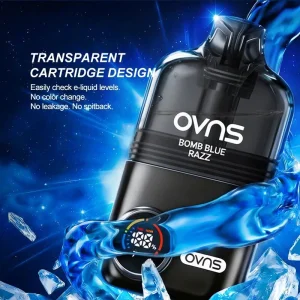
Integrating real-time digital power tracking, intelligent liquid level monitoring, dual-mode power switching chipsets, and dynamic OLED displays into modern pod architectures.
At the core of top-tier vape tool manufacturing lies precise control over heat distribution and liquid transport. Traditional single-wire coils frequently suffer from hotspot formation, leading to pyrolytic degradation of e-liquid components and uneven vapor production. Advanced OEM factories utilize multi-stage mesh matrices engineered from surgical-grade FeCrAl or NiCr alloys, combined with organic Japanese cotton wicking systems or sintered ceramic substrates.
Micro-porous ceramic heating elements feature a controlled honeycomb structural matrix with average pore diameters between 10 to 15 micrometers. This exact pore structure creates continuous capillary action, pulling e-liquid evenly across the heating element without flooding. The ceramic matrix provides exceptional thermal resistance, remaining chemically inert under high temperatures and preventing heavy metal leaching into aerosol paths.
E-liquid leakage remains a major pain point for global importers and end-consumers. Modern engineering resolves this through multi-tier labyrinth channel designs. By incorporating internal pressure-equalization pathways and dedicated condensation collection reservoirs, excess liquid is re-routed back to the atomization core through passive capillary action. Pneumatic pressure-differential testing verifies seal integrity under simulated altitude fluctuations (up to 40,000 feet) and extreme transport temperatures.
Dual mesh coil technology allows devices to alternate between low-wattage single mesh modes for battery conservation and high-wattage dual mesh modes for rich vapor output. Smart microcontroller units (MCUs) regulate duty cycles to extend coil life by up to 300% while preserving e-liquid flavor balance.
All mouthpieces, fluid tanks, and silicone seals utilize food-grade PCTG polymers, medical-grade LSR (Liquid Silicone Rubber), and BPA-free materials compliant with US FDA 21 CFR standards. This ensures high chemical resistance against acidic or citrus-heavy e-liquid formulations.
Shenzhen Flow Vape Co., Ltd. is a leading professional manufacturer and exporter based in China, specializing in disposable vapes, pod system innovations, and specialized vaping hardware. Operating at the core of Shenzhen's tech cluster, the company manages the full product lifecycle—from fundamental R&D and industrial design to automated mass assembly, quality validation, and global logistics execution.
Our manufacturing complex houses Class 100,000 dust-free cleanrooms operating in compliance with GMP protocols. Advanced automated SMT production lines assemble high-precision PCB chipsets, while automated e-liquid filling and sealing machinery maintain precise volume consistency and leak-proof performance across high-volume production runs.
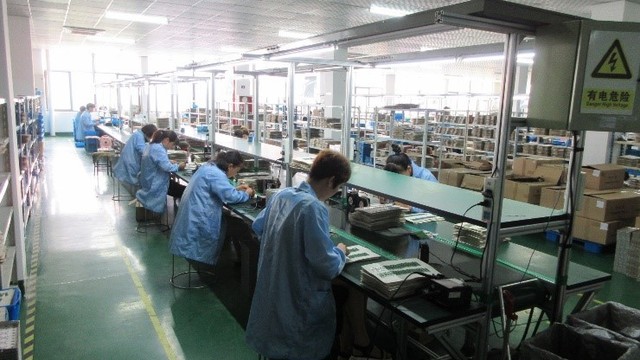

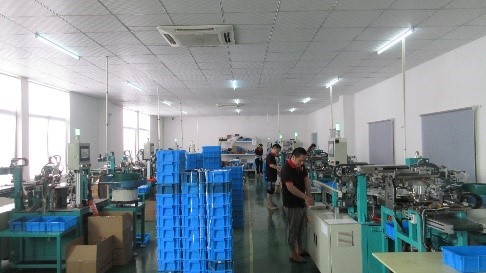
Figure 1.0: Shenzhen Flow Vape Co., Ltd. Modern Automated Manufacturing Lines, ISO-Certified Cleanrooms, and Rigorous QC Quality Stations.
Quality and product safety underpin our daily operations. Our multi-stage inspection process ensures product performance meets stringent international standards:
Navigating global vape trade requires robust logistics coordination alongside manufacturing quality. Regulatory variances between jurisdictions require customizable fulfillment strategies. Shenzhen Flow Vape Co., Ltd. operates a globally responsive supply architecture designed to minimize shipping lead times, simplify customs clearance, and reduce capital friction for international trade partners.
By deploying regional distribution infrastructure—including dedicated warehousing hubs in Katowice, Poland—we support rapid DDP shipping across European Union member states, reducing fulfillment lead times to 48–72 hours.
From modular pod housings to custom surface treatments (rubberized paint, anodized aluminum, tactile engraving), we offer flexible private-label customization tailored to regional brand aesthetics.
We supply complete technical dossiers—including Material Safety Data Sheets (MSDS), UN38.3 lithium battery safety reports, CE certification, and TPD notification files—simplifying local import compliance.
Vaporizer hardware preferences vary significantly across international markets due to local consumer habits and regulatory parameters:
As the electronic atomization industry matures, R&D priorities are shifting toward environmental sustainability, digital device management, and ultra-precise dosing systems. Shenzhen Flow Vape Co., Ltd. allocates over 8% of annual revenue toward next-generation engineering research, focusing on four primary technological pillars:
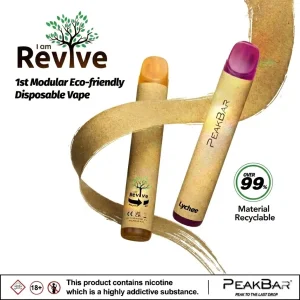
To address environmental concerns associated with single-use electronics, our next-generation disposable devices feature quick-release modular battery designs. Consumers can detach power cells for standard battery recycling, while the outer structural chassis uses biodegradable PLA polymers and recycled PCR plastics.
Integrating Bluetooth LE wireless connectivity, mobile companion applications, child-lock app activation, and real-time usage metrics. These smart systems enable precision control over device power output and delivery parameters.
Partnering with leading energy storage laboratories to evaluate solid-state battery cells for vapor devices. Solid-state technology offers higher energy density in smaller footprints, zero risk of thermal runaway, and extended cycle stability.
Exploring high-frequency ultrasonic vibration technology (3MHz+) as an alternative to traditional thermal wire coils. Ultrasonic atomization vaporizes liquids at significantly lower temperatures, virtually eliminating thermal byproduct formation.
Browse our complete range of specialized equipment, modular pods, industrial replacements, and eco-friendly vape hardware.



In-depth answers regarding manufacturing standards, OEM/ODM processes, international compliance, and quality metrics.
 Flow Vape