Flow Vape
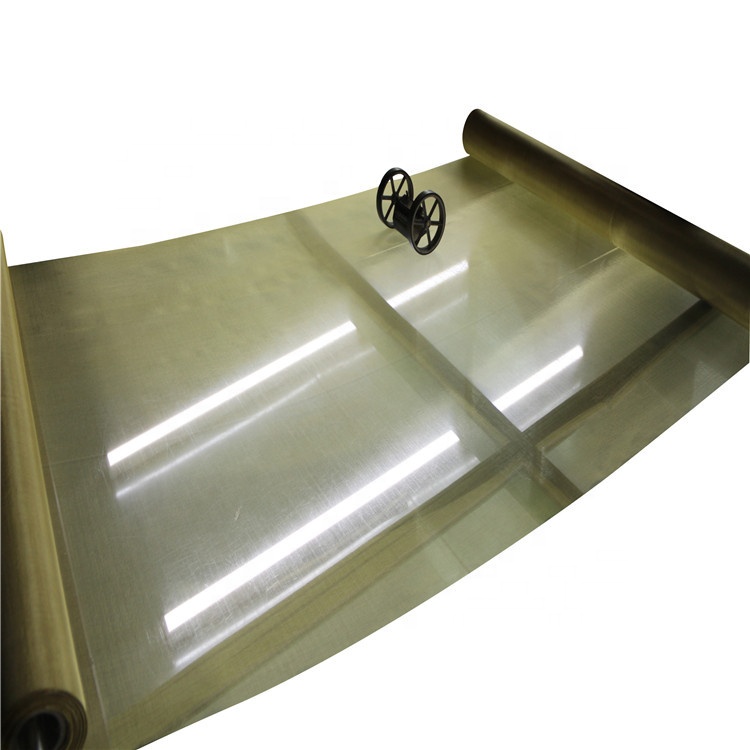
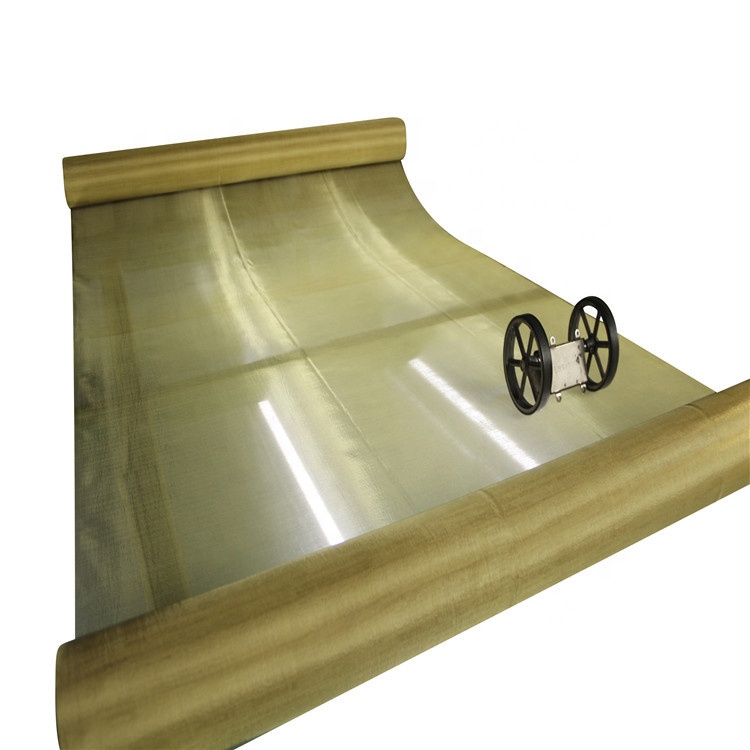
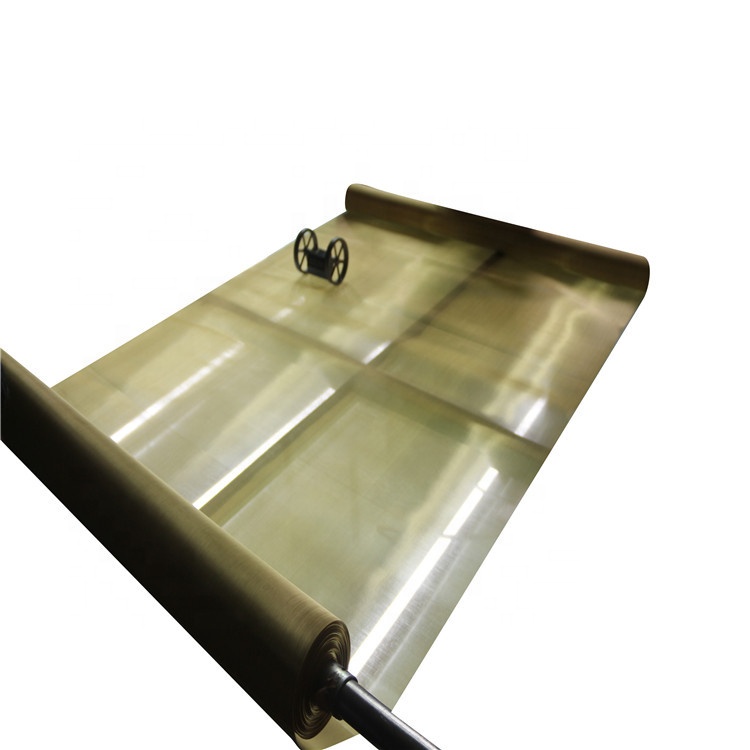
1 / 5
Tin plating prevents copper from being exposed to the air and is oxidized to form a film - patina. The poor conductivity of patina increases the resistance. Containers containing food may be harmful to humans after they are produced in patina. Therefore, tin plating is mainly to prevent copper from being oxidized.
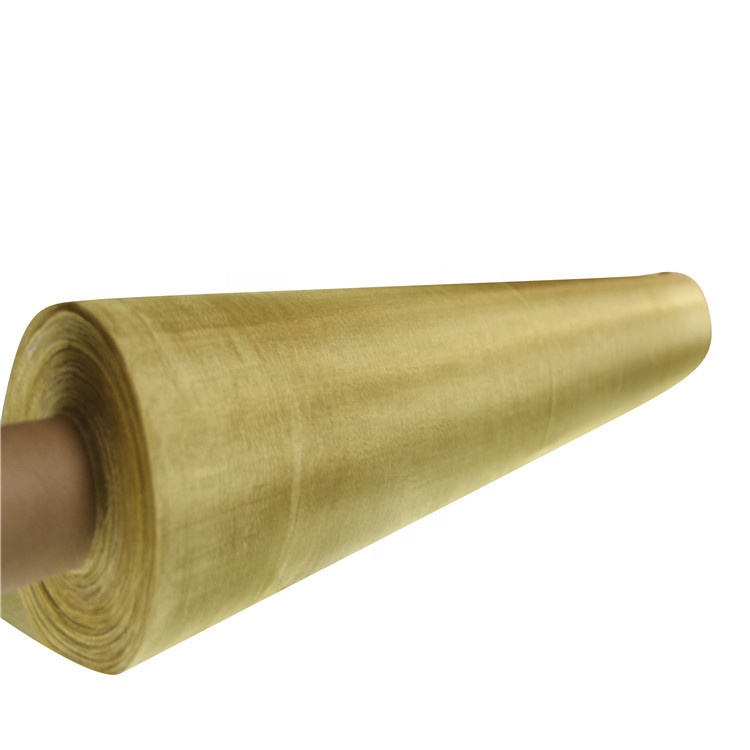
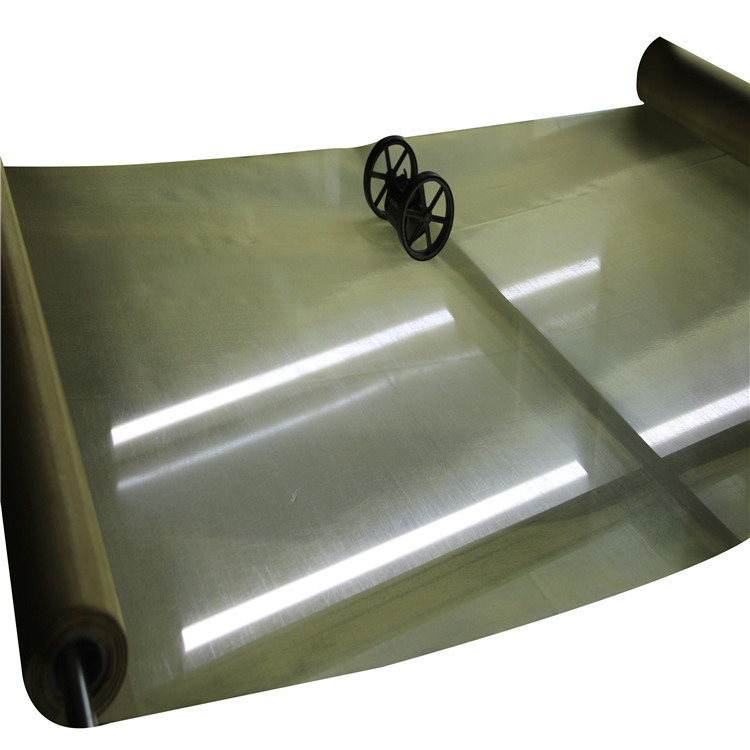
| Item | Brass Wire Mesh Screen |
|---|---|
| Material | H65 Brass Wire |
| Mesh count | 2-200 mesh |
| Wire diameter | 0.04mm- 2.03mm |
| Weave type | Plain/twill/dutch weaving types |
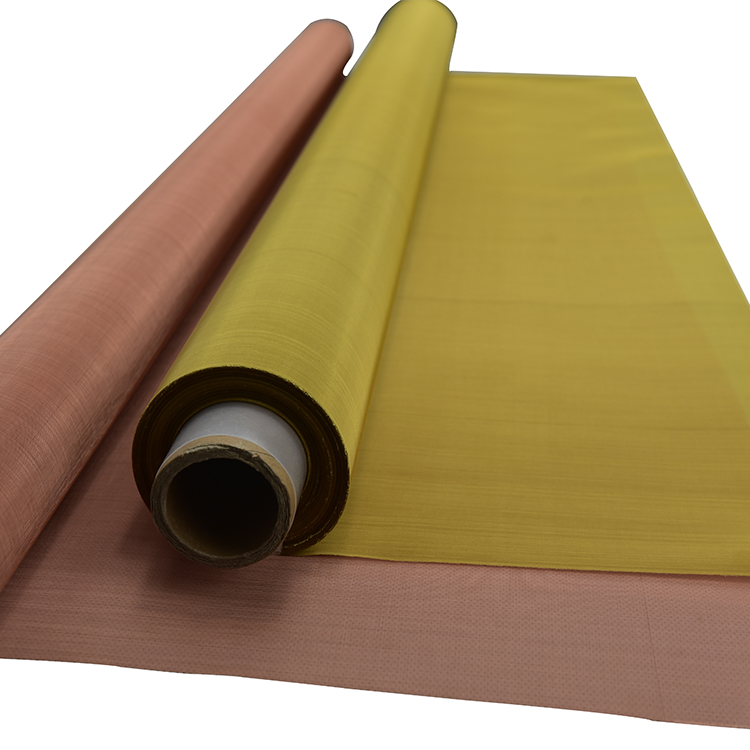
| Common size | 1x30m/roll in stock, or customized |
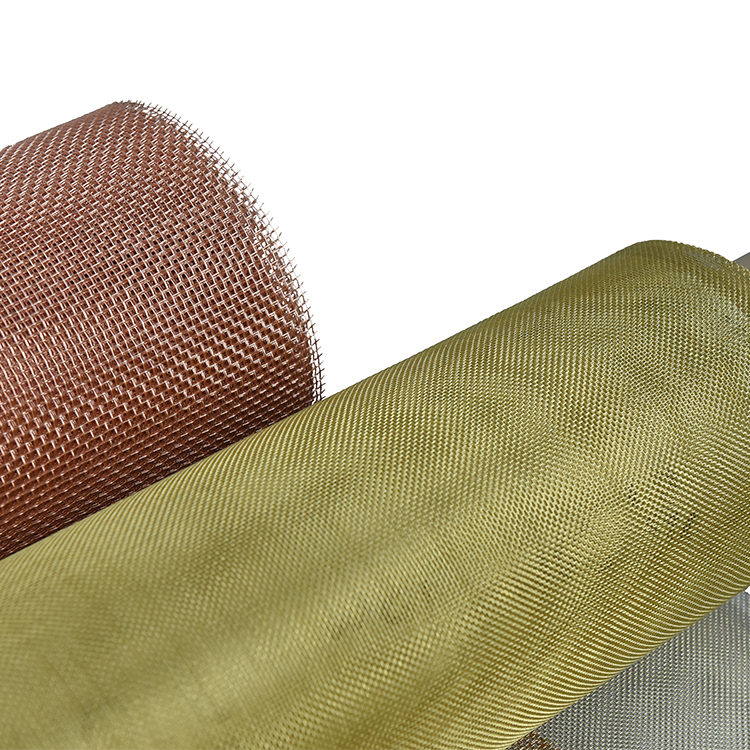
| Features | Nonmagnetic, good ductility, wear resistance, fast heat transfer, sound insulation and ect.. |
| Usage | Faraday cage screen shielding, insulate noise, and filtering for liquid, gas and others |
| Related products | Brass wire mesh, phosphor bronze wire mesh, tinned copper wire mesh |
| Mesh Count | Wire Diameter (mm) | Aperture Diameter (mm) |
|---|---|---|
| 10 | 0.5 | 2.04 |
| 12 | 0.4 | 1.7 |
| 14 | 0.7 | 1.1 |
| 16 | 0.57 | 1 |
| 20 | 0.4 | 0.87 |
| 30 | 0.3 | 0.54 |
| 40 | 0.2 | 0.435 |
| 50 | 0.15 | 0.358 |
| 60 | 0.12 | 0.3 |
| 80 | 0.1 | 0.2 |
| 90 | 0.1 | 0.18 |
| 100 | 0.1 | 0.154 |
| 120 | 0.08 | 0.1 |
| 150 | 0.06 | 0.1 |
| 180 | 0.05 | 0.09 |
| 200 | 0.05 | 0.077 |
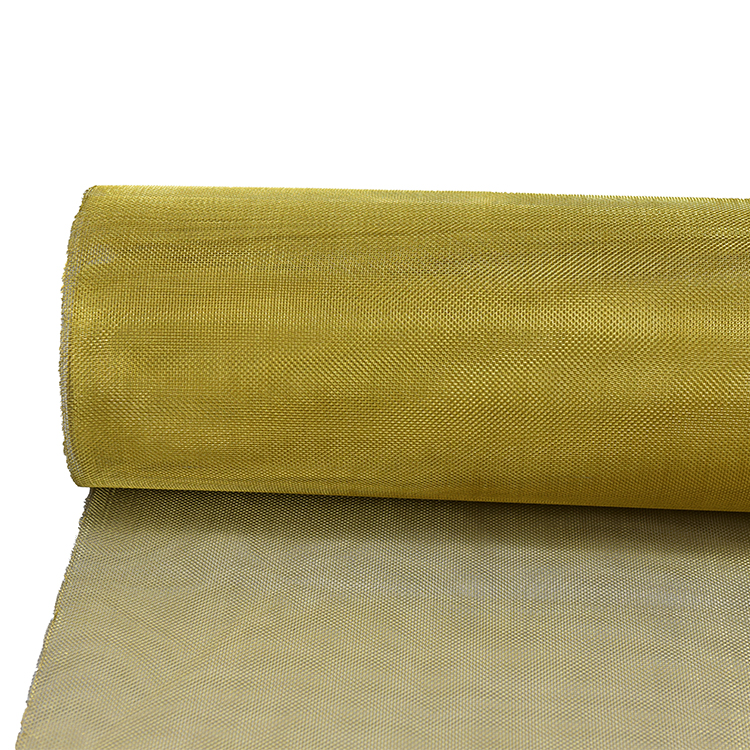
Tin plating prevents the underlying copper from being exposed to the air and oxidizing into patina. Because patina has poor conductivity (which increases resistance) and can be harmful in food containers, the tin plating serves as an essential protective barrier against oxidation.
Brass wire mesh is nonmagnetic, offers good ductility and wear resistance, facilitates fast heat transfer, and provides reliable sound insulation properties.
It is commonly used as a Faraday cage for EMI/EMF shielding, noise insulation, and for filtering liquids, gases, and other media in various industrial applications.
The mesh count is available from 2 to 200 mesh with wire diameters from 0.04mm to 2.03mm. Available weave types include Plain, Twill, and Dutch weaving. The standard in-stock size is 1x30m per roll, with custom sizing available.
The aperture diameter varies according to the mesh count. For example, a 10 mesh count offers an aperture diameter of 2.04mm, whereas a fine 200 mesh count has an aperture diameter of 0.077mm.